
Mar 18th 2026
Why a Professional Label Printer Beats Outsourced Labels
Many workplaces depend on labels every single day. Warehouses mark storage zones, factories mark pipes and machines, and safety teams place warning signs across a facility. For years, some companies ordered these labels from outside printing services. It worked, but often with delays and higher costs. Many teams started asking a simple question. Would it be easier to print labels inside the facility?
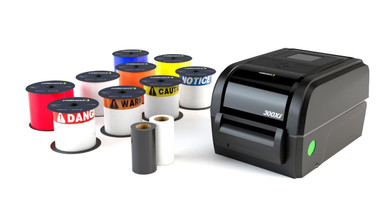
That question led many organizations to use a professional label printer instead of outsourcing their labels. The shift is not only about saving money. It is also about speed, flexibility, and control over safety communication.
The Problem With Outsourced Labels
Outsourced printing sounds simple at first. A company sends a design file and waits for the labels to arrive. But the process often becomes slow and complicated once real facility needs appear.
In many workplaces, label needs change almost every week. Machines move. Storage zones shift. New compliance markings appear. When labels come from outside vendors, each change creates another order and another delay.
Common issues with outsourced labels include:
- Long waiting times before labels arrive
- Higher costs for small print batches
- Limited design flexibility once an order is placed
- Difficulty correcting mistakes quickly
- Extra shipping expenses and ordering steps
These problems may seem small at first. But inside a busy plant or warehouse, time matters. Maintenance teams and safety managers often need signs or labels the same day, not two weeks later.
Cost Comparison: In-House vs Outsourced Labels
One reason companies move to in-house printing is cost. Outsourced labels may seem cheap when ordering large quantities. But the cost per label often becomes high when printing small batches or custom designs.
The table below shows a simple comparison between outsourced labels and labels printed internally with a professional printer.
|
Label Type |
Average Outsourced Cost |
In-House Cost Using Label Printer |
Notes |
|
4" × 6" Vinyl Label |
$3.71 – $5.93 per label |
About $0.97 per label |
Large difference in long-term |
|
Custom Safety Labels |
Higher for small batches |
Low cost for small runs |
Print only what you need |
|
Updated Facility Signs |
Requires a new order |
Printed immediately |
Saves time |
|
Short Notice Labels |
Often rush charges |
No rush cost |
Immediate production |
When labels are printed inside the facility, teams only print what they need. No over-ordering, no rush charges, and no repeated vendor orders.
Faster Response During Safety Changes
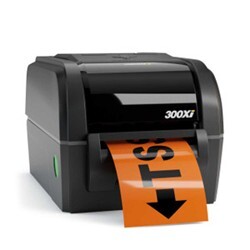
Workplace safety rules change from time to time. A new machine may require hazard markings. A chemical storage area may need updated labels. Sometimes inspectors request new signage before the next inspection.
When a facility depends on outsourced labels, the safety team must wait for delivery. That delay can slow down compliance work.
Using a professional label printer allows the team to act right away.
Examples where quick printing helps:
- New OSHA-style warning labels for equipment
- Updated pipe identification labels
- Temporary safety notices during maintenance
- GHS chemical labels that must be replaced
Instead of waiting days, labels can be printed within minutes.
Flexibility for Daily Operations
Facilities are always changing. Storage racks move. Production lines expand. Maintenance teams add new equipment.
Outsourced printing struggles with these small but frequent updates. In-house printing handles them easily.
With an internal printing system, teams can:
- Edit label text anytime
- Print single labels without extra cost
- Adjust label size or format quickly
- Replace damaged labels right away
This level of flexibility helps maintenance and operations teams work faster without depending on outside vendors.
Built for Harsh Industrial Conditions
Another difference between office printers and industrial systems is durability. Standard printers cannot handle factory environments. Industrial printers are designed for it.
Many workplaces deal with tough conditions such as heat, dust, oil, chemicals, or sunlight. Labels must survive these conditions for long periods.
Industrial label supplies often include materials such as:
- High-tack vinyl for rough surfaces
- UV-resistant materials for outdoor signs
- Chemical-resistant label stock
- Self-laminating wraps for wires
- Heavy-duty floor marking tapes
Printers from LabelMax support a wide range of these materials, which helps facilities create labels that last longer.
Organized Facilities With Clear Marking
Clear labeling also helps daily organization. In many warehouses or manufacturing plants, visual communication guides workers through the facility.
Proper labels can identify:
- Storage aisles
- Pallet locations
- Workstations
- Safety equipment
- Hazard zones
Some facilities also follow 5S methods to keep spaces clean and organized. Visual labels play a large role in that process. When teams print their own labels, they can maintain that system without waiting for outside suppliers.
Simple Software Makes Label Design Easier
Some people worry that label design requires special skills. In reality, modern label systems include easy software with ready templates.
Many printers from LabelMax include Windows-based design software. The program allows users to create labels by selecting a template and adding text or symbols.
Typical features include:
- Ready templates for safety labels
- Pipe marking layouts
- Barcode printing tools
- Adjustable label sizes
- Simple drag-and-drop design tools
Because the software does not require ongoing license fees, teams can keep using it without extra yearly costs.
Support and Reliability Matter
Equipment inside a facility must remain reliable for many years. If a printer stops working, labeling tasks slow down quickly.
Some industrial printers come with long warranty coverage and technical support. For example, printers from LabelMax include a full lifetime warranty. That type of support gives maintenance teams confidence that the equipment will remain dependable.
Reliable support also helps teams when they need guidance about:
- Label material selection
- Safety sign standards
- Printer setup
- Artwork preparation
Having access to knowledgeable support makes the process much easier for new users.
A Quiet Shift Happening in Many Facilities
Across many industries, there is a quiet shift in how labels are produced. Instead of relying on outside printing companies, more organizations now print labels inside their facilities. The reasons are not complicated.
Teams want faster results. They want better control over safety communication. And they want to reduce repeated printing expenses.
A professional label printer helps solve these everyday challenges in a practical way. It turns labeling into a normal part of daily operations rather than a task that depends on outside vendors.
Conclusion
Labeling might seem like a small detail inside a large facility. Yet it supports safety, organization, and clear communication every single day. When labels must be ordered from outside printers, delays and extra costs slowly build over time.
Printing labels in-house changes that routine. Teams can design, edit, and print labels whenever the need arises. That simple control often saves time, lowers costs, and helps workplaces stay organized. For many facilities today, using a professional label printer simply feels like a more natural way to manage their labeling needs.