
Jun 29th 2026
Hazard Labels Guide to Safer Compliance Across Facilities in 2026
Safety signs and labels are easy to ignore when a facility is busy, loud, and full of moving work. Still, they shape daily decisions in ways people often miss until something goes wrong. In 2026, clear visual marking is not just about passing an inspection.
It helps workers respond faster, avoid confusion, and stay alert in areas where risks can change from one shift to the next. This guide explains how Hazard Labels support safer compliance across facilities, what teams should include, and how LabelMax fits into practical in-house safety programs.
Why Clear Visual Safety Systems Matter
A facility can have written rules, training records, and safety meetings, yet still struggle if visual communication is weak. Workers often depend on what they can see first. A label, sign, or floor mark may reach them before a manual ever does.
When labels are clear and placed well, they help teams:
- Identify risk before starting a task
- Spot restricted or high-risk zones faster
- Reduce avoidable mistakes during busy work periods
- Support steady safety habits across all shifts
This is why visual systems need regular review. A faded label or a missing notice can create a gap that no one planned for.
What a Strong Label Program Should Cover
A good safety label program is not limited to one wall or one machine. It should support the whole facility and connect with daily work routines. That includes production, storage, maintenance, shipping, and service areas.
A useful program often includes:
- Equipment warnings
- Pipe and utility identification
- Chemical area marking
- Storage and handling notices
- Floor tape for traffic lanes and pallet zones
- Wire, panel, and control labeling
- Temporary labels for repairs, shutdowns, or special work
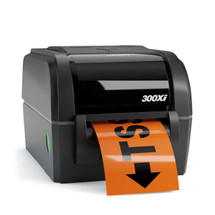
LabelMax supports this wider approach with industrial printers, durable supplies, floor-marking options, and bundled kits built for facility use.
Common Compliance Gaps Seen Across Facilities
Many sites do not fail because they know nothing about safety. Problems start when systems become uneven over time. One department updates signs, another waits, and soon the whole facility feels patched together.
Here are some common gaps:
- Old labels remain in place after process changes.
- New risks appear, but visual markings are delayed.
- Temporary notices become permanent without review.
- Outsourced labels take too long to arrive.
- Materials wear down in heat, sunlight, chemicals, or rough handling.
These issues matter because workers depend on consistency. When labels look mixed, damaged, or unclear, trust drops. Then people stop paying attention to them.
How In-house Printing Helps Faster Response
In many facilities, safety needs do not wait for long approval cycles or outside print orders. A label may be needed the same day for a new storage area, a changed pipe route, or a maintenance lockout point. In-house printing helps teams respond while the need is still current.
That can support:
- Faster updates after layout changes
- Better control over wording and size
- Easier replacement of worn labels
- Lower cost on repeat label runs
- Fewer delays during audits or internal reviews
LabelMax offers printers for different use cases, from compact ½″–4″ models to larger 4″–9″ sign printing. This helps facilities choose what matches their space, volume, and sign size needs.
Choosing Materials for Real Working Conditions
Not every area in a facility needs the same type of label stock. Office conditions are one thing. A washdown area, outdoor yard, chemical room, or hot mechanical space is another. Choosing the wrong material often leads to peeling, fading, and early replacement.
The table below shows a simple way to think about material choice.
|
Facility condition |
Label or marking needed |
Useful material type from LabelMax |
|
Indoor work areas |
General signs and labels |
Indoor or outdoor vinyl |
|
High-contact surfaces |
Strong hold and long wear |
High-tack materials |
|
Outdoor exposure |
Better visibility and weather resistance |
Reflective or outdoor vinyl |
|
Chemical handling areas |
Surface durability against contact |
Chemical-resistant X-Vinyl |
|
Wire and cable marking |
Identification that stays readable |
Heat-shrink sleeves or self-laminating wire wraps |
|
Floor traffic lanes |
Clear path and zone marking |
TradMark heavy-duty PVC floor tape |
|
Heat-related areas |
Better hold under temperature stress |
Temperature-resistant tapes |
Material selection should be based on the actual work environment, not just the label design. That is where many teams save time and avoid repeat work.
Good Label Design Keeps Messages Easy to Follow
A label should never make a worker stop and guess. The best designs are simple, direct, and easy to read from a normal working distance. Too much detail can weaken the message. Too little can make the warning useless.
Keep these design points in mind:
- Use short and direct wording
- Make important words stand out first
- Choose sizes that match the viewing distance
- Keep spacing clean and readable
- Use durable print settings for long wear
- Follow one style across the facility where possible
LabelMax includes free Windows-based label design software with templates and no ongoing license fees. That helps teams build a more consistent system without adding extra software costs.
Where Floor Marking Supports Safer Movement
Labels on walls and equipment matter, but the floor often tells workers where movement is allowed, where storage begins, and where caution is needed. In warehouses, plants, and service areas, floor markings often support the first layer of visual control.
Useful floor-marking uses include:
- Aisle borders
- Pallet staging zones
- Forklift traffic paths
- Pedestrian walkways
- Keep-clear spaces near equipment
- Work cells under 5S and lean systems
TradMark heavy-duty PVC floor tape from LabelMax supports this kind of facility organization. It can help separate movement from storage and make busy spaces easier to read.
Training Works Better When Labels Stay Consistent
Even strong training can fade in memory if the visual environment feels random. Workers learn faster when labels, signs, and floor markings speak the same language across departments. That makes tasks easier to repeat and easier to check.
Consistency can improve:
- New employee orientation
- Contractor awareness during site work
- Response during maintenance activity
- Shift handovers between teams
- Audit readiness during internal reviews
This is one reason many facilities review Hazard Labels as part of wider safety and lean programs, rather than treating them as a small print task.
Conclusion
Safer compliance across facilities in 2026 depends on more than written rules. It depends on what people can understand at a glance while work is moving around them. Clear labels, strong materials, readable floor marking, and steady design choices all help reduce confusion and support safer action.
For facilities that want stronger control over updates, replacement speed, and daily consistency, in-house systems make sense. LabelMax supports that approach with practical tools that help teams build visual safety systems that are easier to manage and easier to trust.