
Sep 22nd 2026
Common Electrical Panel Labeling Mistakes and How to Avoid Them
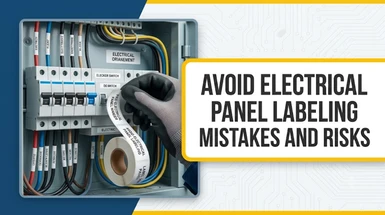
Electrical panels need clear labels so that information can be understood without confusion. Poorly labeled panels can make it harder to identify what a label refers to, especially when several labels are used in the same area. The right labeling supplies can help create a more organized and readable setup.
LabelMax provides electrical panel label supplies in different formats, including high-tack labels, indoor and outdoor supplies, caution and warning headers, and bilingual options. Understanding common labeling mistakes can help you choose and apply labels more carefully for clearer identification and maintenance.
Mistake 1: Using Labels That Do Not Stay in Place
One common problem is choosing a label supply without considering where it will be applied. A label that does not adhere properly can become loose, damaged, or difficult to read over time.
For electrical panel labeling, the label should remain securely attached to the intended surface. LabelMax offers a High-Tack Label Supply for applications where stronger adhesion is needed. Choosing a suitable label supply can reduce problems caused by labels that lift or become detached.
When selecting a label, consider:
- The surface where the label will be applied.
- Whether stronger adhesion is needed.
- How often is the labeled area handled?
- Whether the label needs to remain clearly visible over time.
Mistake 2: Choosing the Wrong Label for the Environment
Not every labeling application has the same conditions. A label used in an indoor area may have different requirements from one used outdoors. Using a general supply without considering the application can result in an unsuitable choice.
LabelMax offers a 300Xi Model Indoor/Outdoor Label Supply, giving users an option intended for both indoor and outdoor labeling applications. Selecting a supply based on the intended environment can help keep identification clear and organized.
Before choosing a supply, ask whether the panel or labeled surface is located indoors, outdoors, or in an area where a more specialized label supply may be appropriate.
Mistake 3: Using the Same Type of Label for Every Purpose
Another mistake is treating every labeling task in the same way. Different applications may call for different label types, sizes, materials, or formats.
The LabelMax General & Specialty Supply range includes several options for different labeling needs. These include printable floor tape, pipe marking label supplies, reflective tape supplies, high-tack label supplies, heat-shrink wire and cable sleeves, and specialty header rolls.
This variety shows why the label supply should match the purpose rather than using one option for every situation.
| Labeling Need | Available LabelMax Supply Type |
|---|---|
| Indoor or outdoor applications | Indoor/Outdoor Label Supply |
| Stronger adhesion needs | High-Tack Label Supply |
| Wire and cable identification | Heat Shrink Wire and Cable Sleeves |
| High-visibility applications | Reflective Tape Supply |
| Caution or warning identification | Die-Cut Header Rolls |
| Bilingual identification | Bilingual Supply |
Mistake 4: Making Important Warnings Hard to Notice
Labels used for caution or warning information need to be easy to recognize. A poorly selected format can make important information less noticeable.
LabelMax offers several die-cut header roll options with words such as Caution, Warning, Danger, and Notice. These supplies are available for different LabelMax printer models, providing options for creating clear header labels.
When labeling an electrical panel, avoid placing warning information where it can be hidden by other labels, equipment, or surrounding materials. Keep related information grouped in a logical way so that someone viewing the panel can understand the purpose of each label more easily.
Mistake 5: Ignoring Bilingual Labeling Needs
Another labeling mistake is assuming that one language will always be suitable for everyone who may need to read the information.
LabelMax lists bilingual supplies that include Danger/Peligro and Caution/Precaución formats. These options can be useful when bilingual wording is appropriate for the labeling application.
The important point is to consider who may need to understand the label. If bilingual identification is required, selecting a supply designed for that purpose can make the information easier to recognize and understand.
Mistake 6: Using Labels That Are Difficult to Read
An electrical panel label can be present without being useful if its information is difficult to read. Small, unclear, poorly positioned, or damaged labels can make identification harder.
Good labeling starts with clear information and an appropriate label supply. LabelMax offers supplies for different applications, including high-visibility and reflective options. Reflective tape supplies are included in the General & Specialty Supply range, along with a ProMax 9 Reflective Tape Supply.
Before applying a label, check that:
- The wording is clear and easy to understand.
- The label is positioned where it can be seen.
- The label does not overlap another important marking.
- The selected supply suits the intended application.
Mistake 7: Forgetting About Wire and Cable Identification
Electrical panels can involve more than the panel surface itself. Wires and cables may also need clear identification to help keep labeling organized.
LabelMax includes 300Xi Model Heat Shrink Wire and Cable Sleeves in its General & Specialty Supply range. This gives users a dedicated supply option for wire and cable marking instead of relying on a general label for every application.
Keeping wire and cable identification separate from other panel labeling needs can make the overall labeling system easier to understand. The key is to select a supply that matches the item being identified.
How to Avoid Common Labeling Problems
Avoiding labeling mistakes starts with choosing the right supply and using it for its intended purpose. A simple review before printing and applying labels can prevent many common problems.
Consider these steps:
- Identify what needs to be labeled before choosing the supply.
- Check whether the application is indoors or outdoors.
- Consider whether high-tack, reflective, or specialty supplies are appropriate.
- Choose caution, warning, danger, or notice headers when the application requires them.
- Consider bilingual options when the information needs to be presented in two languages.
- Check that labels are positioned clearly and remain easy to read.
- Use heat-shrink wire and cable sleeves when wire or cable identification is needed.
Conclusion
Effective electrical panel labeling is less about adding more labels and more about choosing the right type for each application. Common mistakes include using unsuitable supplies, overlooking the environment, selecting labels that are difficult to notice, and failing to consider wire, cable, or bilingual identification needs.
LabelMax offers a range of general and specialty supplies that can support different labeling applications, including high-tack, indoor and outdoor, reflective, header, bilingual, and wire and cable options. Reviewing the purpose and placement of each label before applying it can help keep identification clear, consistent, and easier to maintain.